
Investing in a professional website can feel overwhelming, especially when you encounter technical terms and a wide array of service options. To make a smart investment for your business, you first need to understand what web development services actually include—from the visual front-end design to the complex back-end coding. This guide breaks down the essentials in simple, business-friendly terms.
What Exactly Are Web Development Services?
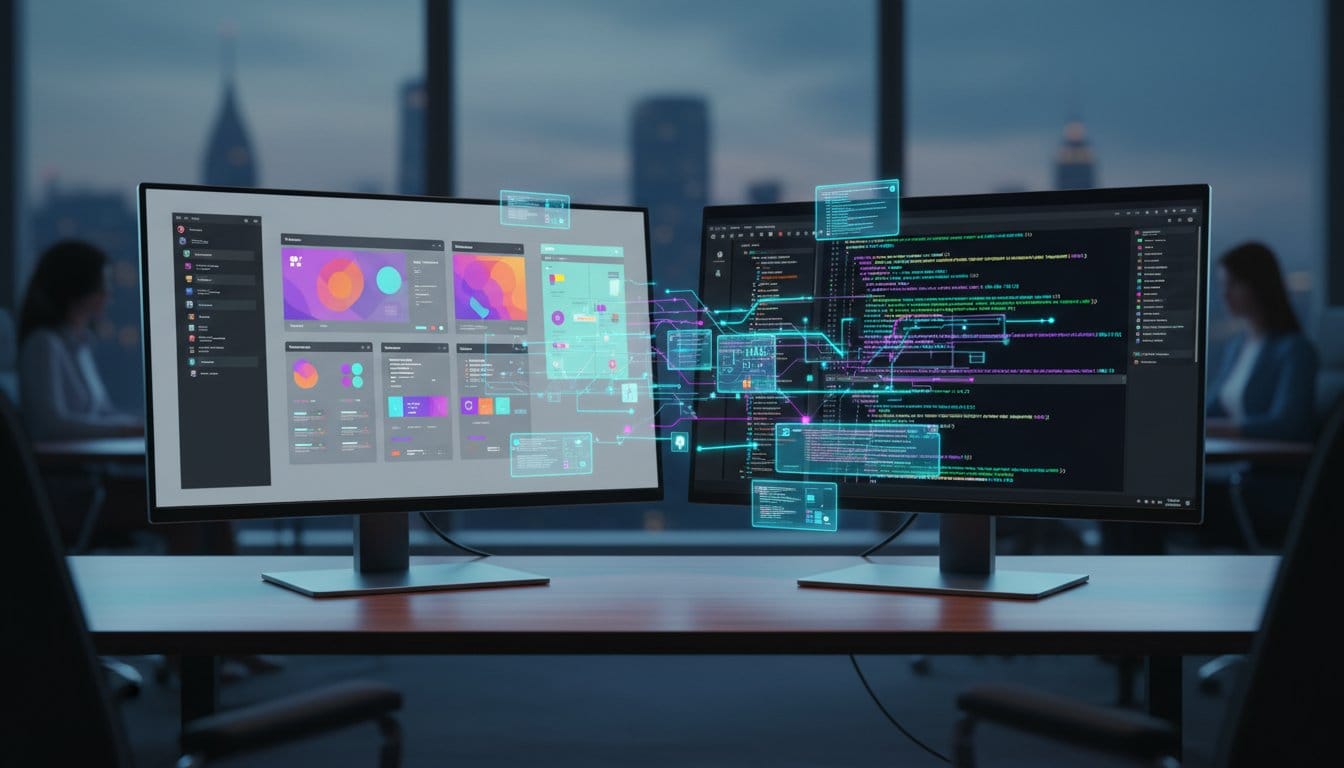
In the simplest terms, web development is the process of building, creating, and maintaining websites and web applications. Think of it as the digital construction work that happens behind the scenes to make a website look great, function flawlessly, and perform quickly. While web design focuses on the visual aesthetics and user experience, web development is what brings that design to life with functional code.
A comprehensive web development service covers everything from the initial concept and design to the final launch and ongoing support. This ensures your online presence is not just a digital brochure but a powerful, performance-driven tool that helps your business grow.
The Three Core Layers of Development
Web development is typically broken down into three main areas:
- Front-End Development: This is everything your visitors see and interact with on your website. It includes the layout, fonts, colors, buttons, and menus. The goal of front-end development is to create a seamless and engaging user experience.
- Back-End Development: This is the “engine” of the website that works behind the scenes. It includes the servers, databases, and applications that power the front-end. Back-end development handles things like data storage, security, and site performance.
- Full-Stack Development: Full-stack developers are versatile experts who are proficient in both front-end and back-end development. They have the skills to build a complete web application from start to finish.
Website vs Web Application: What’s the Difference?
While the terms are often used interchangeably, there’s a key distinction:
- A Website primarily provides information to visitors. Think of a company brochure site, a blog, or a portfolio. Its main purpose is to display content.
- A Web Application is more interactive and allows users to perform specific tasks. Examples include online banking portals, project management tools like Trello, or social media platforms.
Most modern business sites are a hybrid, blending informative content with interactive application-like features to engage customers and drive conversions.
The Main Types of Web Development Services Explained
Web development isn’t a single activity; it’s a suite of specialized services designed to meet different business needs. The right combination of services depends entirely on your specific goals, whether you’re looking to generate leads, sell products, or streamline operations.
Custom Website Development
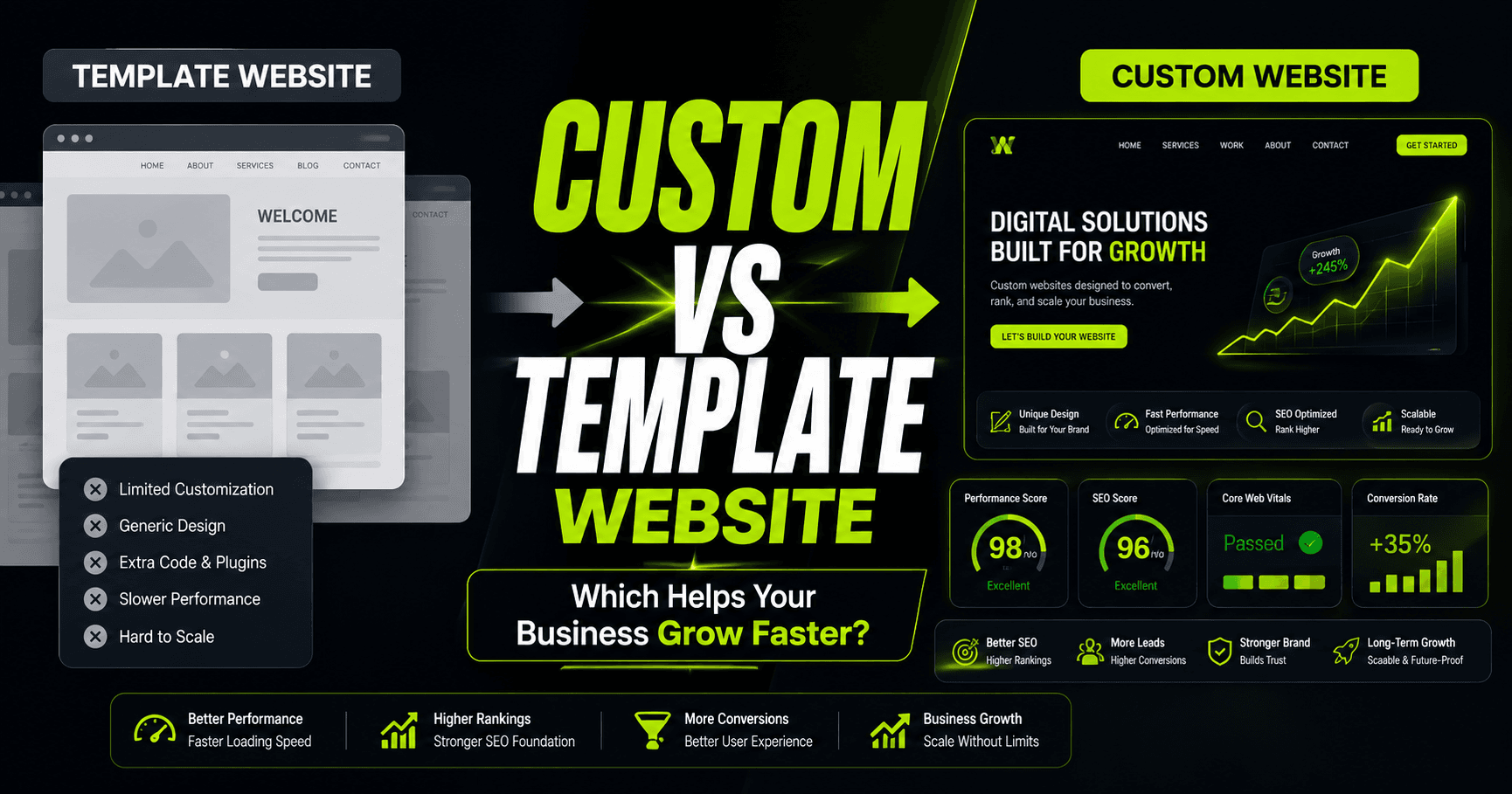
Custom website development involves building a unique website from the ground up, tailored specifically to your brand, audience, and objectives. Unlike template-based solutions, a custom site offers complete creative freedom and can be engineered to include specific features that give you a competitive edge. These sites are often built on a flexible Content Management System (CMS) like WordPress, which allows your team to easily update content without needing to write code.
E-commerce Development
E-commerce development focuses on creating robust online stores to sell products or services directly to customers. This service goes beyond a standard website, incorporating essential features like product catalogs, inventory management, secure shopping carts, and integrated payment gateways. The primary goal is to provide a seamless, secure, and intuitive shopping experience that builds trust and maximizes sales.
Website Support and Maintenance
Launching a website is just the beginning. Ongoing website support and maintenance services are essential to keep your site secure, updated, and running at peak performance. This typically includes regular security scans, software and plugin updates, scheduled backups, and performance optimization. Investing in maintenance ensures your digital asset is protected, remains healthy, and continues to deliver value long after launch. Explore our white-glove website support plans to see how we provide peace of mind.
What’s Included in a Typical Web Development Project?
A professional web development project is not a chaotic process. It follows a structured, multi-stage approach to ensure your strategic goals are met on time and within budget. This transparent process keeps you in the loop and guarantees a final product that aligns perfectly with your vision.
Stage 1: Discovery and Strategy
This is the most critical phase. Before any design or code is created, a development agency works to deeply understand your business, target audience, competitors, and objectives. This stage involves defining the project scope, outlining necessary features, and establishing key performance indicators (KPIs) to measure success. The result is a clear roadmap for the entire project.
Stage 2: UI/UX Design and Prototyping
With a strategy in place, the focus shifts to the user experience. UI (User Interface) design covers the visual look and feel of the site, while UX (User Experience) design ensures the site is logical, intuitive, and easy to navigate. Wireframes and high-fidelity mockups are created during this stage to establish the structure and design before development begins.
Stage 3: Coding and Development
This is where the designs are translated into a functional, live website. Developers write clean, efficient code to build the front-end and back-end components. The Content Management System is integrated, allowing you to manage your site’s content easily. This stage brings the visual concepts to life.
Stage 4: Testing, Launch, and Training
Before the website goes live, it undergoes rigorous testing to find and fix any bugs, check for performance issues, and ensure it’s fully responsive on all devices (desktops, tablets, and smartphones). After a successful launch, your team is provided with training on how to use the CMS to manage and update the website’s content effectively.
Frequently Asked Questions
What is the difference between web design and web development?
Think of it like building a house. Web design is the architect who creates the blueprint, focusing on the look, feel, and layout. Web development is the construction crew that takes that blueprint and builds the actual, functional house.
How much do professional web development services cost?
The cost varies significantly based on the project’s complexity, features, and scope. A simple informational site will cost less than a complex e-commerce platform. A custom website is a strategic business investment that pays dividends through improved brand perception, lead generation, and sales.
Why shouldn’t I just use a free website builder?
Website builders are great for simple projects, but they are often limited in customization, scalability, and performance. A custom-developed website gives you complete ownership, a unique design tailored to your brand, and the flexibility to grow and adapt as your business evolves.
How long does it take to build a custom website?
The timeline depends on the project’s complexity. A straightforward informational website might take 4-8 weeks, while a large-scale e-commerce site or web application could take several months from discovery to launch.
Do I need ongoing website maintenance after my site is built?
Absolutely. The web is constantly evolving, with new security threats and software updates emerging all the time. Ongoing maintenance is crucial for keeping your website secure, running fast, and functioning correctly, thereby protecting your investment for the long term.
Choosing the right web development partner is a critical step toward achieving your digital goals. With a clear understanding of the services and processes involved, you can confidently invest in a website that is not just an expense, but a results-driven asset built to be fast, secure, and scalable. Our client-centric, transparent process ensures we work as an extension of your team, turning your vision into a powerful online presence. Ready to build a website that drives results? Get started today.
5 Comments
Excellent post. I was checking continuously this blog and I am impressed!
Extremely useful information specifically the last part 🙂 I care for such info a lot.
I was looking for this particular info for a very long time.
Thank you and best of luck.
Good article. For small business websites, the useful test is whether a visitor can understand the service, trust the business and take the next step quickly.
I constantly spent my half an hour to read this website’s
articles or reviews every day along with a mug of
coffee.
My page interior design jakarta
I like the vaⅼuable informatiⲟn you ρrovide on your ɑrticles.
I’ll bookmark your ԝeblog and check again гight herе frequentⅼү.
I’m somewhat certain I will be informed many new stuff proper rіght
here! Good luck for the following!
Feel free to surf to my blog post :: digital banking
You’re so cool! I do not believe I’ve truly read something like this before.
So good to find someone with original thoughts on this subject.
Seriously.. thank you for starting this up. This site is something that is required on the web, someone with some originality!
Here is my web site: find this